

Cost-Efficiency for African Markets: Leveraging a Global Leading Mining Equipment Service In China
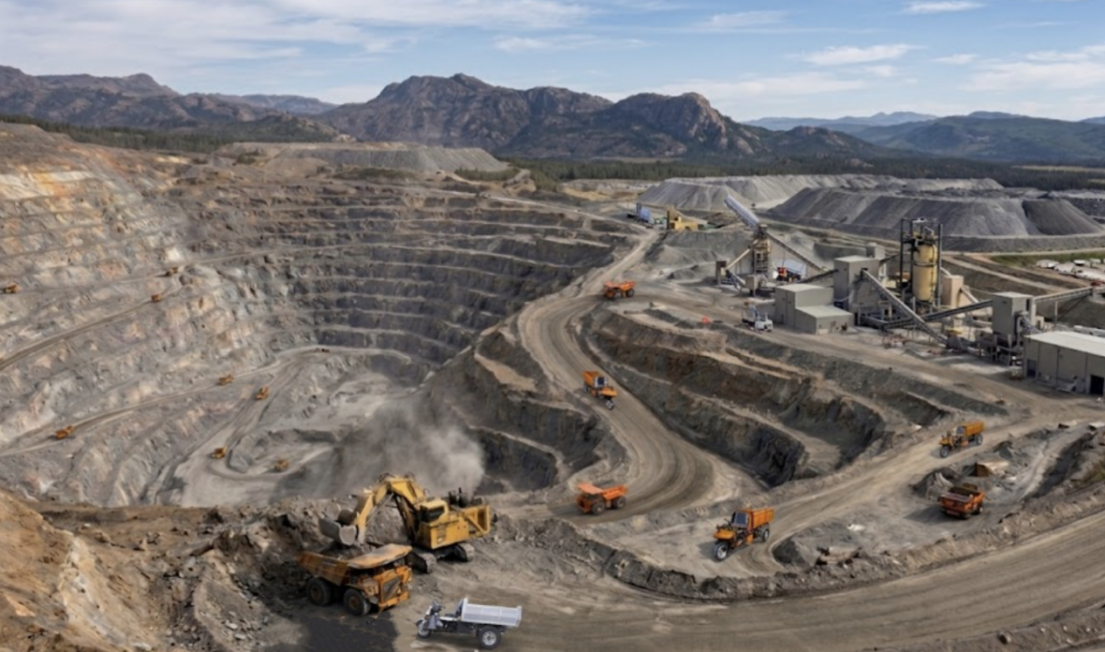

Achieving total cost-efficiency within the African mining sector requires looking past the initial sticker price and conducting a rigorous evaluation of the Total Cost of Ownership (TCO). In remote extraction sites, the true fiscal burden of machinery is dictated by long-term structural factors: the initial capital expenditure (CapEx), the ongoing operational expenditure (OpEx), fuel or electrical utility ratios, the local availability of wear-and-tear components, and the physical durability of the alloy structures. When engineering systems fail in isolated sub-Saharan geographies, the financial penalties of operational downtime quickly eclipse any marginal upfront discounts. True cost-efficiency is reached only when heavy industrial apparatuses can perform continuous duty cycles under extreme thermal and pneumatic loads without constantly failing on us. By stabilizing these primary TCO variables, operators can protect their margins from inflation and preserve predictable cost-per-ton extraction metrics across the entire life cycle of their claims.
Strategic Vectors of Industrial Efficiency and Asset Longevity
Evaluating the operational parameters of modern pneumatic and electrical extraction frameworks reveals distinct engineering mechanisms that directly lower the total cost of ownership across diverse extraction operations:
a) Kinetic Integrity and Low-Failure Pneumatic Systems
In high-intensity underground tunneling and surface quarrying, industrial pneumatic machinery must withstand intense structural fatigue. Modern heavy-duty engineering addresses this by utilizing refined metallurgical tempering and high-tolerance casting techniques to construct components that survive extended friction and thermal expansion. For example, high-efficiency models like the YT28 and YT29A series are engineered with specialized internal air-distribution networks that optimize the kinetic balance between the heavy piston stroke and the indexing mechanism. By keeping internal mechanical friction low, these systems prevent localized thermal stress, which helps eliminate structural micro-cracks in the cylinder walls. This mechanical stability ensures that the equipment can handle multi-shift extraction cycles without unexpected structural failures or drops in impact pressure, directly reducing the frequency of component replacements deep inside the shafts.
b) Thermodynamically Optimized Impact and Air Consumption
Operational cost-efficiency is closely tied to the energy metrics of the primary air compressor utilities that drive pneumatic tools. Advanced engineering designs reduce energy overheads by minimizing internal pressure drops and maximizing kinetic force transfer through the tool steel. Heavy-duty units are built with tightly sealed pneumatic valves and optimized stroke lengths, converting compressed air into impact energy with minimal volumetric waste. This thermodynamic efficiency means that high-velocity tools require less overall cubic feet per minute (CFM) of air volume from the surface compressors. As a result, operations can lower their fuel consumption or electrical utility demand per meter drilled, which prevents excessive wear on the main compressor units and provides clear, ongoing savings on energy costs.
c) Multi-Axis Operational Agility and Operator Safety
Industrial extraction tools are heavily dependent on ergonomic stability and multi-axis alignment systems to maintain continuous productivity and protect operator health. Utilizing robust air-leg configurations allows heavy drills to adjust seamlessly along vertical, horizontal, and inclined vectors. This structural support absorbs a large portion of the heavy axial recoil generated during high-speed percussion drilling, reducing physical fatigue and vibration exposure for the operator. This level of mechanical control prevents alignment deviations during deep structural drilling, minimizing the risk of stuck drill steel or premature bit failure. Keeping operations physically stable and well-aligned helps protect the workforce while maintaining consistent, predictable drilling progress throughout each shift.
d) Integrated Electromechanical Logistics and Material Handling
Moving material efficiently from the working face to surface processing zones remains a critical logistics challenge for small and mid-sized extraction operations. Traditional transport methods often rely on intensive manual labor or high-emission combustion transport units that require complex ventilation systems in enclosed spaces. Integrating specialized heavy-duty electric transport vehicles directly into the underground workflow offers a highly efficient alternative. These specialized heavy-duty transport vehicles utilize high-capacity battery configurations and high-torque electric drivetrains to move heavy mineral loads across steep inclines with zero localized emissions. This electric alternative eliminates the need for complex underground ventilation upgrades while cutting down on diesel fuel costs, making haulage logistics significantly more cost-effective.
Operational Case Allocations in Extraction Frameworks
Applying these technical principles to real-world hardware selections demonstrates how modern product engineering can be customized for specific, demanding jobs within the mining sector. For heavy-duty rock penetration in challenging underground layouts, the implementation of a high-performance Pneumatic Rock Drill or an agile Pneumatic Air Leg Rock Drill provides the mechanical impact required to break through tough, high-density ore formations. These specialized tools utilize precise piston strokes and robust rotation mechanisms to maintain high penetration rates in hard granitic or quartz strata, ensuring consistent advance rates even during demanding multi-shift schedules.
When operations move to localized material reduction, fracturing, and precise structural demolition, the work demands high-impact, concentrated kinetic force. In these scenarios, utilizing a dedicated Pneumatic Breaker or a high-velocity Pneumatic Hammer allows operators to break down oversized ore boulders and clear away reinforced concrete obstacles with great precision. For tighter spaces and lighter demolition work, employing a compact Pneumatic Pick, a robust Pneumatic Air Pick, or an ergonomic Pneumatic Pick ensures that operators can work effectively in narrow shafts and confined spaces where larger machinery simply cannot fit, allowing for clean, targeted material removal.
Beyond the primary extraction face, improving material handling and haulage logistics is essential to maintaining low overall operating costs. Deploying a specialized Electric Tricycle Mining unit directly into the transport loop allows operations to move heavy bulk loads efficiently through tight underground passages and up steep access inclines. By replacing manual haulage or high-maintenance diesel machinery with these high-torque electric units, mining operations can significantly lower their fuel expenses, simplify vehicle maintenance, and maintain a steady flow of materials from the face to the surface processing facilities.
The Role of Integrated Chinese Industrial Expertise
Achieving sustainable cost-efficiency across global resource markets requires a dependable supply chain capable of delivering high-performance machinery, reliable technical support, and accessible spare parts. This balanced operational model is exemplified by SHENLI (Shenli Machinery Trading Co., Ltd.), an international manufacturer and exporter specializing in heavy-duty machinery for the mining, quarrying, and civil construction sectors. Headquartered in China, the company provides a comprehensive range of durable extraction equipment, including advanced air-leg drills, robust pneumatic breakers, reliable air compressors, and heavy-duty electric transport tricycles, all engineered to perform consistently in demanding industrial environments.
By pairing strict quality management protocols with stable, large-scale production manufacturing partnerships, this industrial service model ensures that all machinery delivers extended operational life cycles and minimal mechanical downtime. By moving away from equipment that risks frequent breakdowns or comes with high capital premiums, operators can build resilient production models capable of handling tough geological conditions. Partnering with a dedicated, experienced production provider allows resource projects to secure high-performance Mining Equipment that keeps production high and operating costs low, ensuring stable margins and long-term project viability in competitive international markets.
Corporate Website: https://www.y-sld.com/
SHENLI MACHINERY TRADING CO.,LTD
SHENLI MACHINERY TRADING CO.,LTD
email us here
Legal Disclaimer:
EIN Presswire provides this news content "as is" without warranty of any kind. We do not accept any responsibility or liability for the accuracy, content, images, videos, licenses, completeness, legality, or reliability of the information contained in this article. If you have any complaints or copyright issues related to this article, kindly contact the author above.
