

ITDP Shares Global Framework to Strengthen and Expand Good Public Transport Systems
ITDP Logo
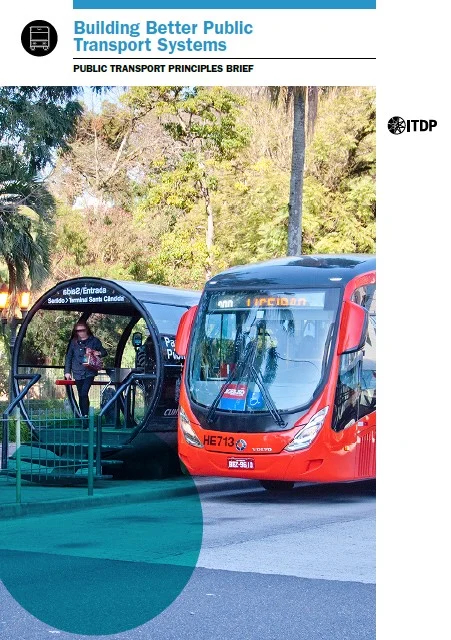
The cover of ITDP's 2026 Public Transport Principles publication.
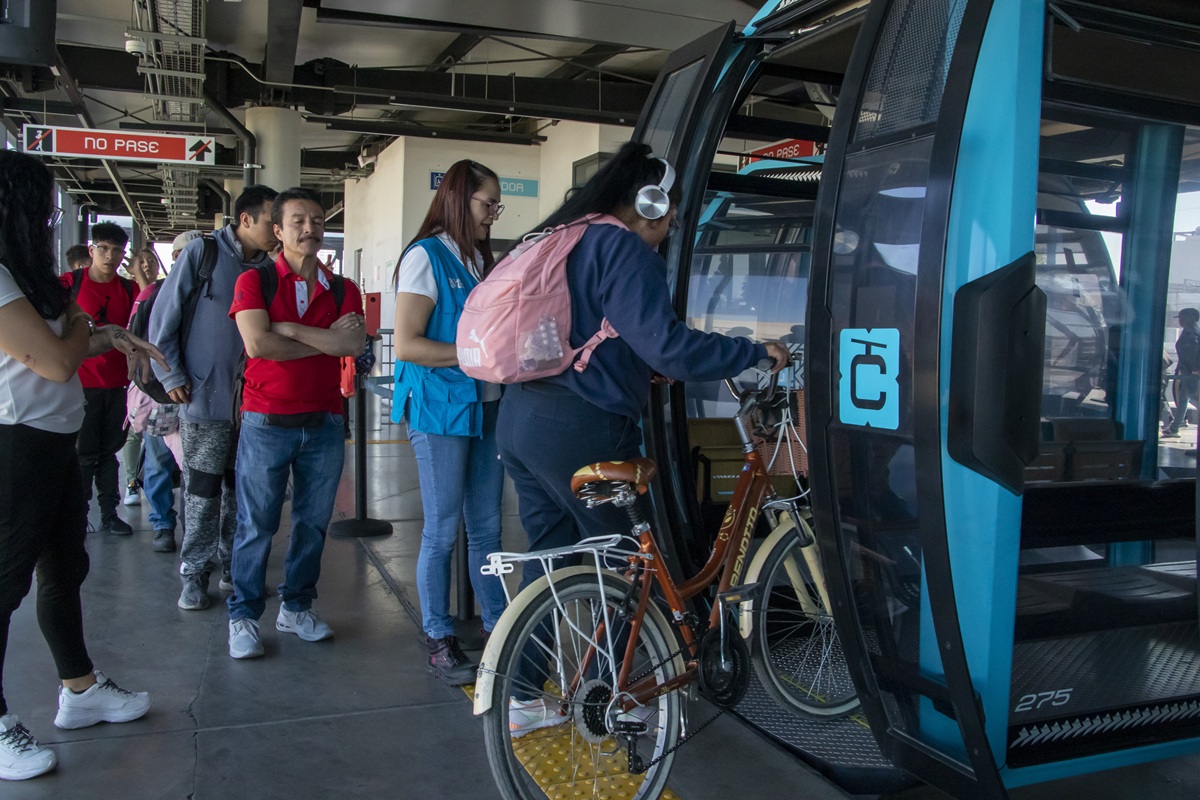
Public transport systems take many forms but is the foundation of all urban infrastructure.
"Building Better Public Transport Systems: Public Transport Principles" is designed to help cities define, evaluate, and improve their public transport.
This brief is a part of ITDP’s 2030 Strategic Plan vision, which aims to increase public transport ridership on systems that are both fully electrified and funded at scale across the organization’s key regions. The guidance in the brief identifies six critical attributes of successful public transport systems — accessibility, efficiency, safety, integration, sustainability, and stable funding — and offers practical actions to help cities align policies and investments with these goals.
Around the world, public transport can often take many forms, from buses, minibuses, and metro systems to ferries and aerial cable cars. For a service to be considered public transport, it must be available to all users without restriction, designed to carry multiple passengers — typically seven or more per vehicle — and operate along fixed urban routes with predictable, consistent schedules and stops. Systems can also vary widely in speed, frequency, and fare collection methods, but they share the same aim: moving large numbers of people efficiently and equitably through dense urban environments.
When implemented with these attributes, good public transport systems can have major economic, environmental, and health benefits. At its core, public transport is the backbone of urban infrastructure, connecting people to jobs, education, healthcare, and the needs of everyday life. In fact, in many cities across Africa, Asia, and Latin America, public transport accounts for the majority of all passenger trips. Even in car-oriented countries like the United States, investments in public transport have been found to deliver strong economic returns, generating approximately five US dollars in broader benefits for every dollar spent. Public transport systems have also been shown to produce 45 percent fewer CO₂ emissions per passenger-kilometer than private vehicles.
When further integrated with robust walking and cycling infrastructure, public transport supports more inclusive, connected, and safer mobility for all. Strengthening these systems is not just about improving day-to-day commutes; it is about expanding opportunity, reducing inequality, and creating a more sustainable urban environment for the long-term. ITDP’s Public Transport Principles brief maintains that all public transport needs to be a shared service, open to everyone, that operates on regular schedules and clear routes. It should enable people, regardless of whether they own or can operate a vehicle, to move freely and access their cities equally.
Despite its clear benefits, however, public transport systems around the world face mounting financial, political, and physical pressure. Ridership has declined in many cities since the 2020 COVID-19 pandemic, while investments have not kept pace with growing urban demand in other cities. Aging technology and infrastructure also make many systems susceptible to disasters and failures, particularly in low- and middle-income countries. Globally, the sustainable transport sector faces a funding gap exceeding an estimated $2.7 trillion USD through 2050 — jeopardizing our climate, our economies, and urban life as a whole.
Without decisive action, cities and governments risk deepening the unsustainable reliance on private vehicles and diesel fuels that will only worsen congestion, air pollution, and energy insecurity. However, it is still possible to build public transport that is well-funded and accessible to ensure that everyone can have proper access to economic and social opportunities. A crucial step is to clearly define what good public transport is and what makes it work well. Thus, ITDP’s Public Transport Principles framework offers policymakers, funders, and planners a common language and foundation for achieving this future of effective, equitable mobility for all.
Learn more about ITDP’s global efforts to make sustainable transport a reality in every city at www.itdp.org.
###
The Institute for Transportation and Development Policy (ITDP) is a global nonprofit that works with cities worldwide to design and implement high-quality transport systems and policy solutions that make cities more livable, equitable, and sustainable.
www.itdp.org | linkedin.com/ITDP | x.com/@ITDP_HQ | facebook.com/ITDP | youtube.com/ITDP_HQ
Alphonse Tam
ITDP
alphonse.tam@itdp.org
Visit us on social media:
LinkedIn
Bluesky
Instagram
Facebook
YouTube
X
Other
Legal Disclaimer:
EIN Presswire provides this news content "as is" without warranty of any kind. We do not accept any responsibility or liability for the accuracy, content, images, videos, licenses, completeness, legality, or reliability of the information contained in this article. If you have any complaints or copyright issues related to this article, kindly contact the author above.
